
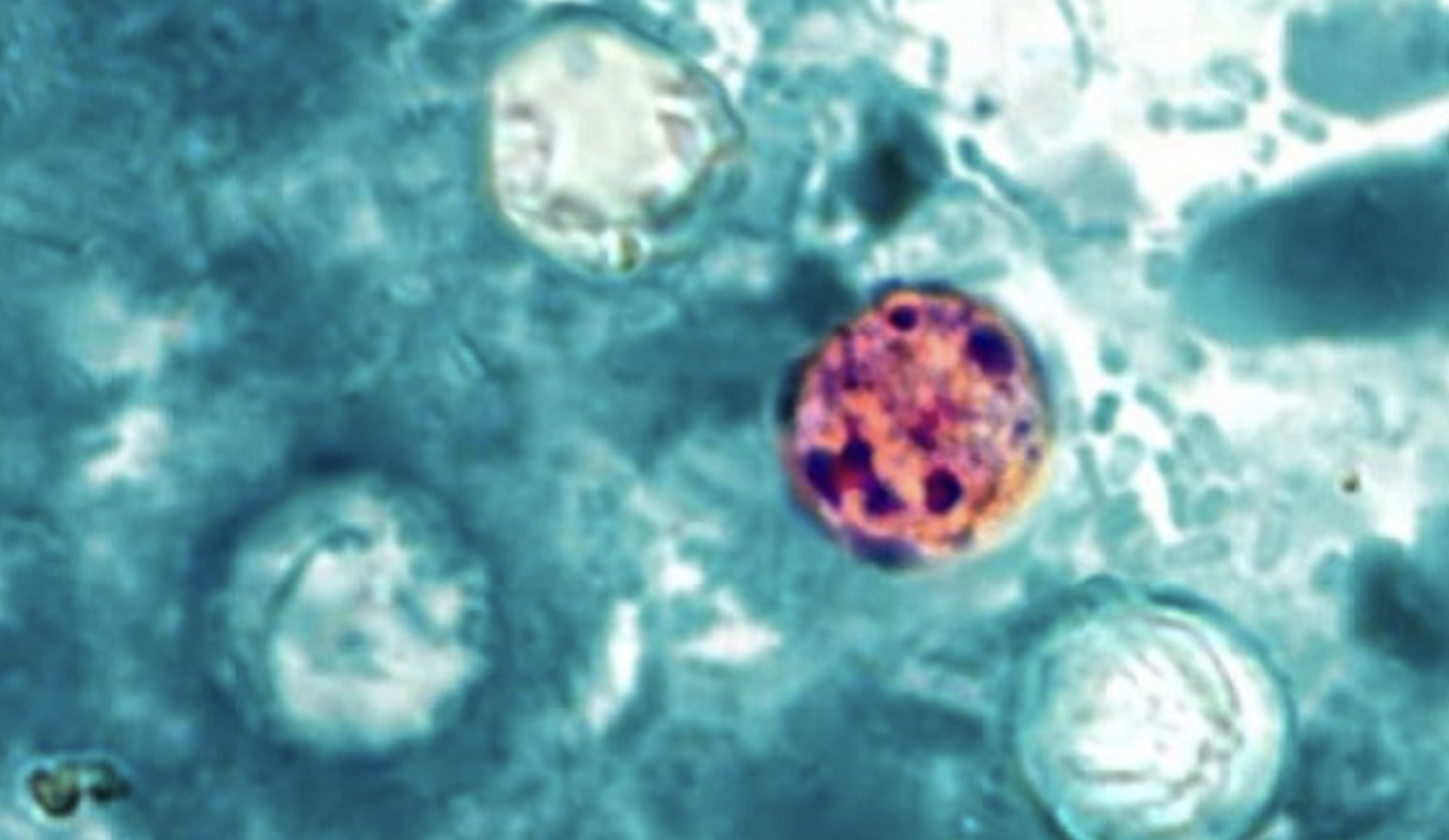
Michigan’s count of patients in a huge outbreak of Cyclospora infections continues to rise, with the total surpassing 14,700.
As of Sept. 3, the state was reporting 14,718, up by 208 a week ago. Of the patients interviewed so far, 366 report having been hospitalized. The death count is standing steady at two.
Michigan public health officials have not said whether all of the illnesses in their state can be attributed to iceberg lettuce products sold by Taylor Farms. The U.S. Centers for Disease Control and Prevention is tracking several outbreaks, including a 20-state outbreak associated with the Taylor Farms products. As of Sept. 1, the CDC was reporting 11,458 patients in that outbreak with 495 hospitalizations.
Overall, the CDC’s count of all of the outbreaks attributed to the Cyclospora parasite is 18,445. For comparison, 1,180 cases were reported in the United States between May 1 and Aug. 31, 2025.
The unofficial state-by-state total count is more than 30,000.
The federal agency considers the Cyclorspora “season” to run from May 1 through Aug. 31.
Neither the CDC nor state officials have speculated as to why the outbreak numbers are so much higher this year.
About Cyclospora
Anyone who has developed symptoms of Cyclospora infection, and has reason to believe they have been exposed to the parasite, should seek medical attention. Specific tests are required and antibiotics are used to fight the parasite.
Cyclospora infection can cause severe abdominal pain, watery diarrhea, nausea, vomiting, body aches, and fatigue. Symptoms can develop between two and 14 days after exposure. Though symptoms can be severe enough to send people to the hospital, it’s rare for people to die from Cyclospora infections.
Symptoms can last for a month or more and can reoccur for several more months if not treated.
Cyclospora is a type of protozoa, which is a single-celled organism. It is transmitted when people somehow ingest contaminated feces, typically through contaminated food or water. It can be spread only through human waste, unlike E. coli and salmonella, which can also be spread from animal fecal matter.
Previous U.S. outbreaks of cyclosporiasis have been linked to various types of fresh produce, including lettuce, basil, cilantro, mesclun lettuce, raspberries, and snow peas.
Food safety experts say there’s no evidence that washing the produce will remove the parasite. It is not killed by chlorine or other treatments.