
An unnamed seed company is now under investigation in an outbreak traced to fresh sprouts. And, another product has been added to the recall of implicated sprouts.
The outbreak of E. coli and Salmonella infections has previously been linked to alfalfa sprouts grown by Everything Sprouts of Minneapolis, MN. The company recalled its Crunchy Protein Sprout Mix and Zesty Garlic Mix sprouts sold under the Calco and Everything Sprouts brands.
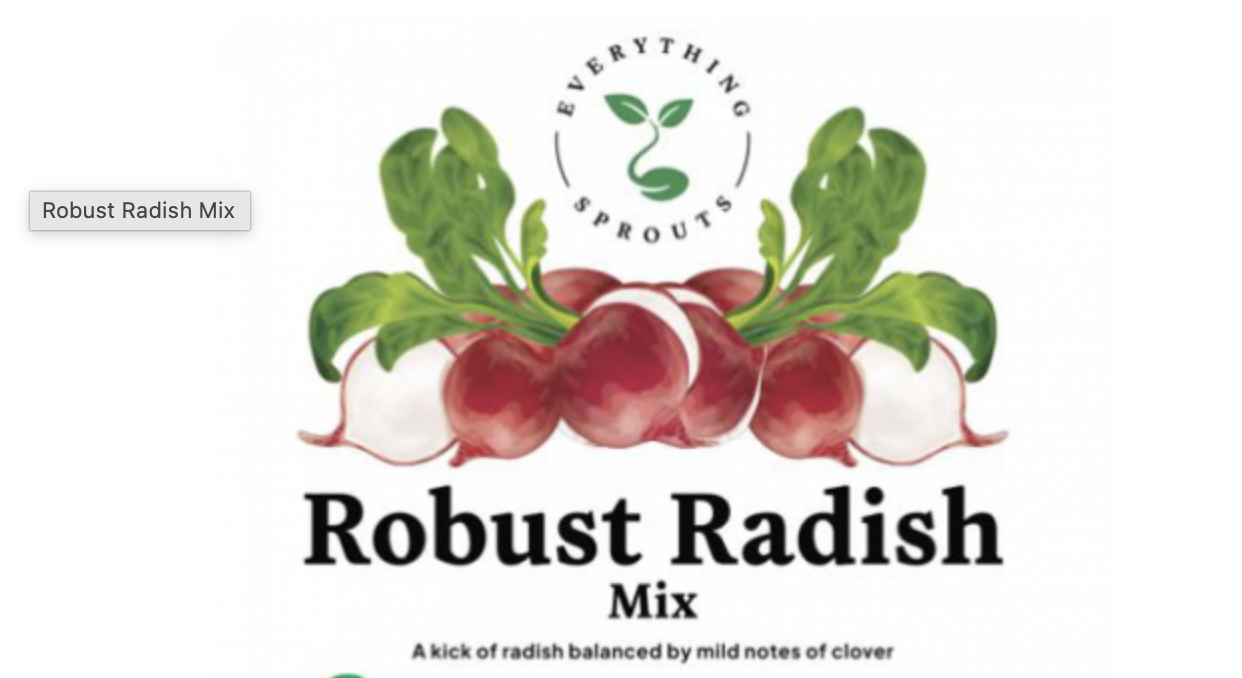
Now, the company is also recalling its Robust Radish Sprout Mix because it has the potential for cross-contamination with E. coli and/or Salmonella. The recalled Robust Radish Sprout Mix was sold in 5-oz cups with LOT numbers 223, 226, 230 and 233.
The Everything Sprouts and Calco sprouts have been linked to the outbreak of E. coli and Salmonella infections through epidemiologic and traceback evidence.
FDA’s traceback investigation has identified at least one additional sprout grower who received and used the same lot of alfalfa sprout seeds under investigation in this outbreak from a common seed supplier.
“While alfalfa sprouts grown by Everything Sprouts LLC are a source of illnesses in this outbreak, these sprouts do not explain all the illnesses,” according to an FDA update.
The FDA recommended that the unnamed seed supplier voluntarily recall the implicated lot of alfalfa seeds and contact its downstream customers to initiate recalls of sprouts grown from the implicated seed lot.
“At this time, the common seed supplier has not responded to FDA’s recall recommendation, has not sent a recall notice to downstream customers, and has not instructed the customers who received the implicated alfalfa sprout seed lot to initiate recalls,” according to the agency.
The FDA is continuing to investigate contamination of the implicated alfalfa sprout seed, as well as additional contributing factors or practices of sprout growers related to this outbreak.
Outbreak details
A total of 55 people across 15 states are infected with multiple strains of Shiga toxin-producing E. coli and one strain of Salmonella. Some people were infected with more than one outbreak strain. Forty-six people were infected with E. coli , seven people were infected with Salmonella, and two people were infected with both Salmonella and E. coli.
Illnesses started on dates ranging from May 31 through Aug. 8. State and local public health officials are interviewing people about the foods they ate in the week before they got sick. Of the 34 people interviewed so far, 26 reported eating alfalfa sprouts. There have been 4 hospitalizations but no deaths have been reported.
The states with patients are: Florida, Indiana, Iowa, Kansas, Michigan, Minnesota, New Hampshire, New York, North Carolina, North Dakota, Pennsylvania, South Carolina, South Dakota, Washington and Wisconsin.
Consumers who believe they may have received affected lots of the alfalfa sprouts should immediately dispose of them and should carefully clean and sanitize any surfaces or containers that the product may have touched.
About E. coli infections
Food contaminated with E. coli does not look, smell or taste bad.
Anyone who has eaten any of the recalled products and developed symptoms of E. coli infection should seek medical attention and tell their doctor about their possible exposure to the bacteria. Specific tests are required to diagnose the infections, which can mimic other illnesses.
The symptoms of E. coli infections vary for each person but often include severe stomach cramps and diarrhea, which is often bloody. Some patients may also have a fever. Most patients recover within five to seven days. Others can develop severe or life-threatening symptoms and complications, according to the Centers for Disease Control and Prevention (CDC).
About 5 to 10 percent of those diagnosed with E. coli infections develop a potentially life-threatening kidney failure complication, known as a hemolytic uremic syndrome (HUS). Symptoms of HUS include fever, abdominal pain, feeling very tired, decreased frequency of urination, small unexplained bruises or bleeding, and pallor.
Many people with HUS recover within a few weeks, but some suffer permanent injuries or death. This condition can occur among people of any age but is most common in children younger than five years old because of their immature immune systems, older adults because of deteriorating immune systems, and people with compromised immune systems such as cancer patients.
People who experience HUS symptoms should immediately seek emergency medical care. People with HUS will likely be hospitalized because the condition can cause other serious and ongoing problems such as hypertension, chronic kidney disease, brain damage, and neurologic problems.
About Salmonella infections
Food contaminated with Salmonella bacteria does not usually look, smell, or taste spoiled. Anyone can become sick with a Salmonella infection. Infants, children, seniors, and people with weakened immune systems are at higher risk of serious illness because their immune systems are fragile.
Anyone who has eaten any of the recalled products and developed symptoms of Salmonella infection should seek medical attention. Sick people should tell their doctors about the possible exposure to Salmonella bacteria because special tests are necessary to diagnose salmonellosis. Salmonella infection symptoms can mimic other illnesses, frequently leading to misdiagnosis.
Symptoms of Salmonella infection can include diarrhea, abdominal cramps, and fever within 12 to 72 hours after eating contaminated food. Otherwise, healthy adults are usually sick for four to seven days. In some cases, however, diarrhea may be so severe that patients require hospitalization.
Older adults, children, pregnant women, and people with weakened immune systems, such as cancer patients, are more likely to develop a severe illness and serious, sometimes life-threatening conditions.
Some people get infected without getting sick or showing any symptoms. However, they may still spread the infections to others.