
Bills to loosen restrictions on raw, unpasteurized milk are advancing through several state legislatures.
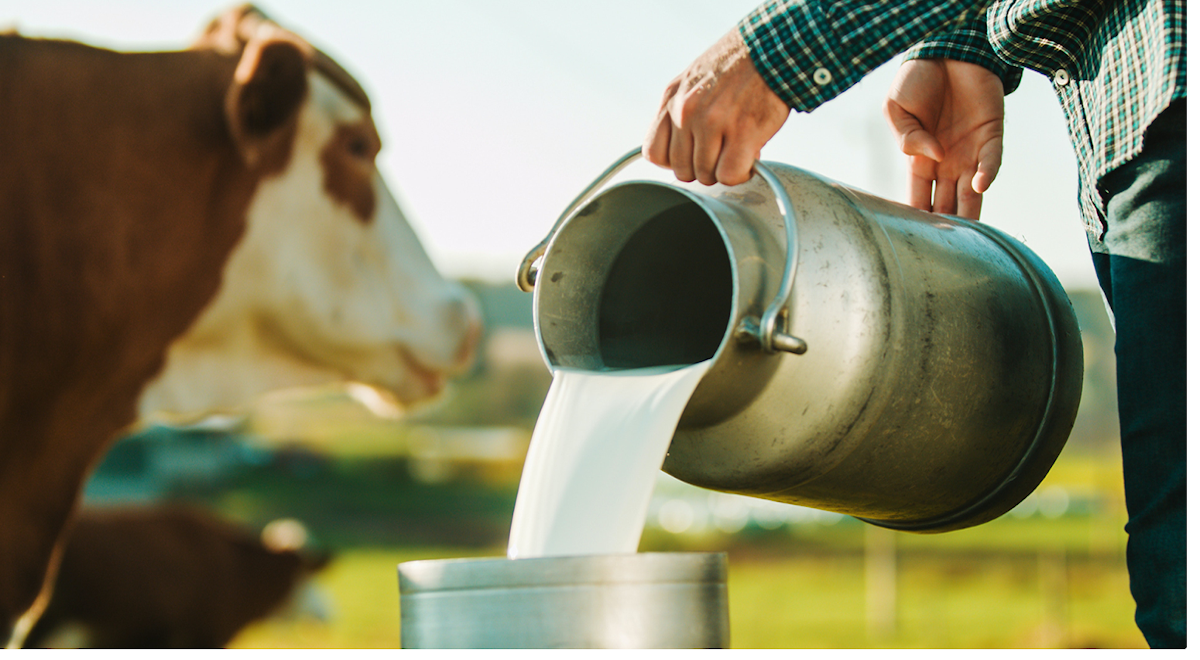
Raw milk, sometimes referred to as “fresh” milk, is sold straight from the animal and has not been pasteurized to kill bacteria and viruses. Pasteurization heats milk to 161 degrees for 15 seconds. It kills bacteria such as Salmonella, Listeria, Campylobacter and E. coli.
Research has shown that people who drink raw milk are 840 times more likely to experience an illness and 45 times more likely to be hospitalized. Of all outbreaks attributed to dairy products in recent decades, 96 percent were caused by raw milk.
It is against federal law to sell raw, unpasteurized milk across state lines, but states govern whether it is permissible to sell it within their borders.
Iowa bill
An Iowa House subcommittee has advanced a bill that would expand the sale of raw milk. It would also allow homemade food to be sold at grocery stores. Such food, known as cottage food, would not be subject to permitting or food safety inspections.
The bill, House File 2444, was introduced by Republican Rep. Chad Ingels who said it was a way to give “easier access” to allow raw milk producers to sell their milk at farm stores.
The bill is opposed by the Iowa Environmental Health Association, a group representing health inspectors in the state. Jefferson Fink, speaking on behalf of the association, said it had “great concern with many issues” in the bill.
The bill would allow the sale of raw milk products at home processing or food establishments, provided they are located at the raw milk farm. Current law provides that raw milk can only be sold directly to customers from the raw milk farm.
Oklahoma bill
A House bill by state Rep. David Hardin would expand where raw milk can be sold through direct sales. It has passed the House Agriculture Committee on a 4-2 vote and has moved to the House Oversight Committee before it can advance further.
Health officials in the state say consumers should understand the risks. The Tulsa Health Department said raw milk can contain bacteria that are eliminated through pasteurization.
“The largest risk that we see is associated with pregnant women. It’s very important to only consume pasteurized dairy products and to only give little ones pasteurized dairy products as well,” said Madison Brillhart, an epidemiologist with the Tulsa Health Department.
Mary McGonigle-Martin of the nonprofit Stop Foodborne Illness said her son became critically ill as a toddler during a confirmed raw milk outbreak in 2006, an experience she said changed her family’s perspective and led her to advocate for food safety.
She said some families may hear about claimed health benefits without fully understanding the potential dangers. “Parents hear it’s healthier, the benefits are overemphasized, and the risks are not,” she said.
Raw milk is still not currently sold in Oklahoma grocery stores, and any expansion under the bill would apply to direct sales from producers.
Michigan bill
A package of bills aiming to allow direct-to-consumer sale of raw milk in Michigan is advancing in the state Legislature. The bills, HB 5217-5219, were introduced by Republican Rep.Matt Maddock and would allow the farm-to-consumer sale of raw milk and other unpasteurized dairy products.
The bills were heard by the House Government Operations Committee last month and advanced by Republicans without any Democratic support. They were heard by the House Rules Committee at a hearing this past week.
A farmer expressed support of the bill, saying it should be up to consumers whether they want to buy unpasteurized milk.
Some farming experts voiced opposition. Mikaylah Heffernan, legislative liaison for the Michigan Department of Agriculture and Rural Development, submitted written testimony against the bill, highlighting potential safety concerns with the sale of raw milk.
“Expanding raw milk access while reducing oversight poses significant health concerns and potential harm to public health, placing consumers — especially children, who cannot make informed decisions about the food they consume—at unnecessary risk,” she wrote.
Jackie Klippenstein, Senior Vice President and Chief Government and Industry Relations Officer for the Dairy Farmers of America also wrote in opposition to the bills.
“When consumers become ill due to consuming raw milk, regardless of the dairy’s size or nature of [the] incident, the entire industry is negatively impacted. These cases not only hurt dairy farmers, dairy processors and manufacturers, but they also undermine the public’s trust in the dairy products they consume daily. Pasteurization is the most proven and secure method of ensuring that harmful and life-threatening bacteria and other pathogens are removed from the milk supply. Pasteurization offers consumers assurance that their milk is safe,” she wrote.
Health experts have also raised concerns about the safety of unpasteurized dairy products.
Dr. Pamela Ruegg, an epidemiologist and veterinarian at Michigan State University, said even when farmers are following all safety guidelines, contamination is still possible.
“It is extremely difficult to harvest milk, meaning milking the cow into a milking machine, which then moves it to a tank without any of that milk becoming contaminated with bacteria,” Ruegg said. “That applies on big farms and little farms. And it applies even though our farmers do a great job of following the steps of cleaning the udders and keeping the milking equipment clean and refrigerating the milk.”