
The number of people sick in a Salmonella outbreak in Vietnam has passed 300.
The Ho Chi Minh City Department of Health identified the agents responsible for the food poisoning as Salmonella Enteritidis and Salmonella spp. through the results of stool and blood culture tests.
As of Nov. 12, there are 304 patients who ate at two bakery stores of the same chain. Patients fell sick from early November and were admitted to 14 hospitals. Of these, 244 people have been discharged but 60 are still being treated. A severe patient who required intensive care has been removed from the ventilator and is stable.
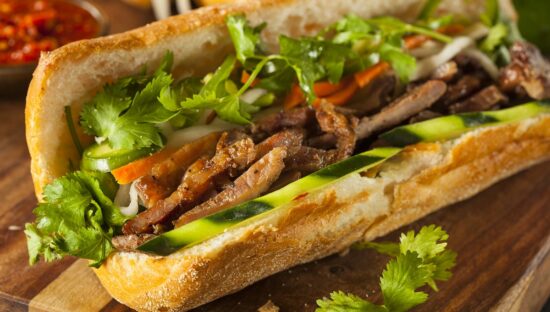
The Department of Food Safety at the Ministry of Health said it received information on Nov. 7 that people were hospitalized for suspected food poisoning after eating bánh mì. These people experienced symptoms of stomachache, diarrhea, high fever and were taken to hospitals for treatment. Banh mi is a baguette sandwich that can be filled with pate, Vietnamese pork roll, ham and pickled vegetables.
The Ho Chi Minh City Department of Health has asked hospitals and the city’s Center for Disease Control (HCDC) to conduct other tests and sequencing of isolated strains with help from the Oxford University Clinical Research Unit.
After receiving information about the incident, officials inspected the site, blocked raw materials and took food and environmental samples to try and find the source and cause of the incident. The Department of Food Safety has temporarily suspended operations at the establishment.
It is not the first time this type of sandwich has caused a Salmonella outbreak in Vietnam.
A study published in the Western Pacific Surveillance and Response Journal revealed that 547 cases were recorded from April 30 to May 6, 2024, in Dong Nai province. Two people were severely sick, and a 6-year-old boy died.
Salmonella was found in 12 of 25 fecal specimens and four food samples. An investigation found overlapping processes in the cooking stages. Areas for preparing raw and cooked foods were next to each other. The staff did not wear gloves. The food and raw materials were put on the floor or in two cold stores.
(To sign up for a free subscription to Food Safety News, click here)