
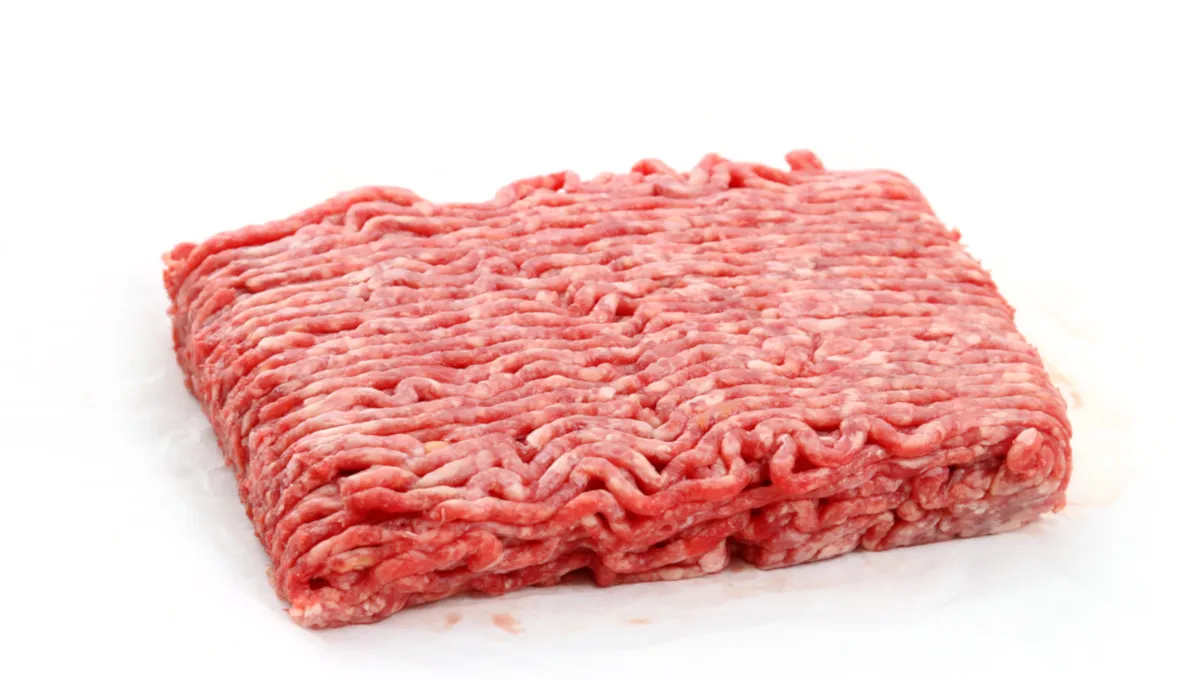
The USDA’s Food Safety and Inspection Service’s outbreak investigations table carries a new entry: investigation 2027-01, dated October 2026, pathogen E. coli O157:H7, product “Ground Beef (suspect),” Active: Yes.
The entry has no case count, no states, no hospitalization or HUS number, no recall and no public health alert attached to it. The same morning, CDC’s current outbreaks dashboard moved from 26 to 27 active multistate investigations, with the E. coli line going from three to six. No notice accompanied any of them.
The outbreak is the first of USDA’s fiscal year 2027 and the first ground beef E. coli O157 outbreak since 2024.
The Food Safety and Inspection Service (FSIS) numbers its investigations by federal fiscal year, which begins October 1. The last ground beef E. coli O157:H7 entry on the table was 2025-03, the November 2024 outbreak that ended with Wolverine Packing Co. recalling 167,277 pounds after Minnesota tied 15 illnesses to ground beef. Before that, the table shows a run of “Beef, ground (suspect)” entries from 2021 through 2023, most of them closed with no outcome listed at all.
The FSIS says it updates its outbreak table at least weekly and posts an investigation only when there is compelling epidemiologic, sampling or traceback evidence that a meat, poultry or egg product is a confirmed or suspected source. By the agency’s own rule, that evidence exists for this outbreak.
Here is everything published to date on the new outbreak:
Field
What FSIS has published
Investigation number
2027-01
Outbreak month
October 2026
Pathogen
E. coli O157:H7
Product
Ground beef (suspect)
Active
Yes
Case count
Not published
States
Not published
Hospitalizations and HUS
Not published
Recall or public health alert
None
CDC notice
None
Establishment or retailer
Not published
In the Kebab Shop outbreak this spring, the FSIS collected product, found O157:H7 in the kofta, matched it to patients by whole genome sequencing, and issued a public health alert naming the restaurants and the producer even though the product was long gone. That is the agency’s normal practice when it has a match. An October outbreak that is still active in the third week of November, with ground beef as the suspect and no alert, means one of two things: the traceback has not reached a lot, or it has and nobody has been assigned to tell the public.
“The entry on the table already tells industry and the trade press that FSIS has a ground beef O157 file open. It should tell the rest of us the same things it told the public in May: how many people are sick, in which states, how many are hospitalized, how many children have HUS, when the illnesses began, and whether a product sample has matched a patient by sequencing,” said Bill Marler, a Seattle-based food safety attorney.
“If a lot has been identified, name the establishment and issue the alert even if the product is past its use-by date; that is exactly what the agency did for the kofta. If the traceback has not reached a lot, say that, so the word suspect carries its honest meaning.”