A public health agency in Brazil has confirmed the illness of two babies who consumed infant formula recalled by Nestlé.
Health officials in Distrito Federal (Federal District) said the patients consumed products from batches identified as affected by Nestlé. The formula was purchased before the recall, which has spread to more than 60 countries.
The agency urged parents to check if any products they have match batch codes listed in the recalls. The specific brands and products impacted differ on a country-by-country basis.
The infants, who are both around 1-year-old, had persistent vomiting and diarrhea. After identification of the consumed batches, the families suspended use of the products, and the patients are recovering well.
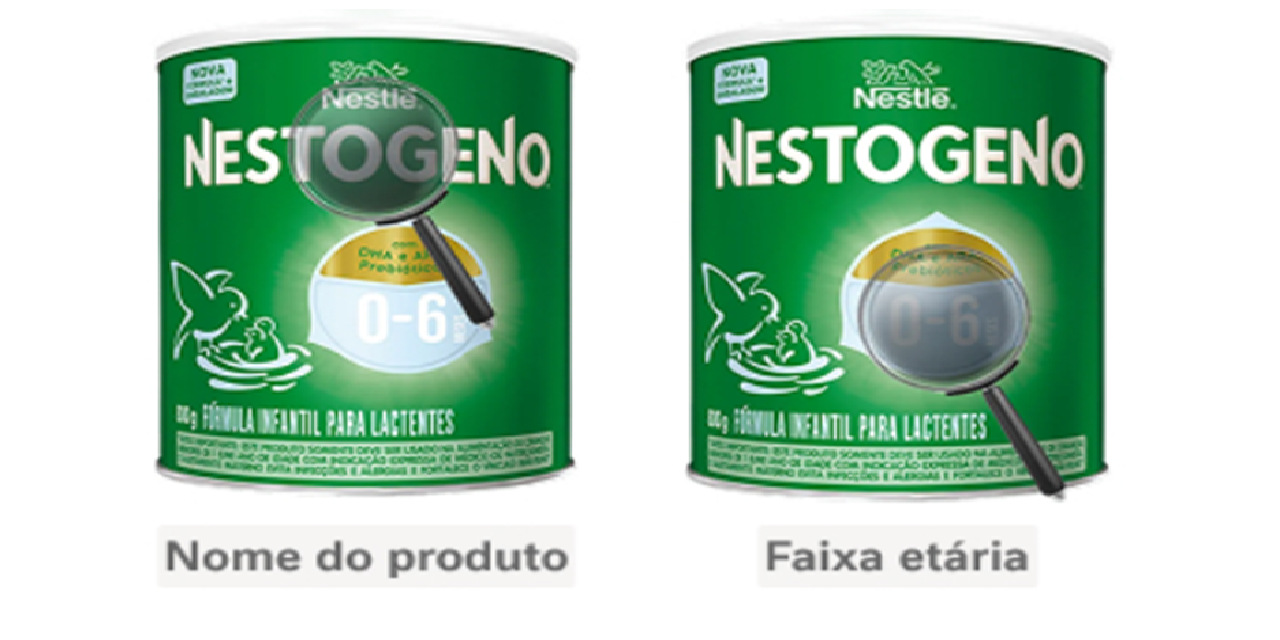
Earlier in January, the Brazilian Health Regulatory Agency (ANVISA) blocked the commercialization, distribution and use of some batches of infant formula from the brands Nestogeno, Nan Supreme Pro, Nanlac Supreme Pro, Nanlac Comfor, Nan Sensitive and Alfamino, from Nestlé Brasil.
Raw material problem
Infant formula and follow-on formula were recalled because of the potential presence of cereulide. Cereulide is a toxin produced by some strains of Bacillus cereus, which can cause food poisoning.
In the UK and Ireland, Nestlé recalled certain batches of SMA infant formula and follow-on formula. Expiry dates range from October 2026 to November 2027.
The initial recall in December 2025 was prompted by a suspicion of Bacillus cereus in an area of the production line at a factory. The problem was discovered during a self-monitoring test at Nestlé’s Nunspeet plant in the Netherlands.
Investigations revealed that cereulide was detected in one of the raw materials from a supplier used in production. Nestlé has tested arachidonic acid (ARA) oil and corresponding oil mixes used in the production of potentially affected infant nutrition products.
In a video statement, Philipp Navratil, CEO of Nestlé, apologized for the worry and disruption the problem may have caused parents, caregivers and customers.
“You trust us to provide products that are safe and of high quality, and we take that responsibility very seriously. As a parent myself, I fully understand how important this is to you. As soon as we confirmed the issue, we engaged proactively with the respective health and food safety authorities in each country that received the affected products,” he said.