
The 7-Hydroxy Outreach for Public Education, known as the 7-HOPE Alliance, has sued the state of Florida in an effort to overturn the state’s emergency ban on 7-hydroxymitragynine (7-OH).
Florida Attorney General James Uthmeier announced in July that an emergency rule had been filed to classify isolated and/or concentrated 7-hydroxymitragynine (7-OH) from kratom as a Schedule I controlled substance in Florida.
The rule, which took immediate effect, made it illegal to sell, possess, or distribute any isolated or concentrated form of 7-OH in the state.
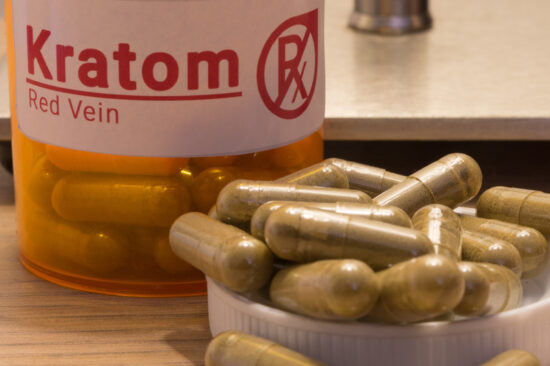
Kratom is a tropical tree (Mitragyna speciosa) that is native to Southeast Asia and is not lawfully marketed in the U.S. as a drug product, a dietary supplement, or a food additive in conventional food. It is frequently brewed into tea.
In their complaint, the 7-HOPE Alliance argues that the emergency order was issued without public notice or hearings, and classified 7-OH, a natural alkaloid found in the kratom plant, as a Schedule I controlled substance, immediately criminalizing its sale, possession and use across the state.
Filed before the Florida Division of Administrative Hearings, the petition argues that the state’s actions were unlawful, unnecessary and carried out without due process.
The rule has already forced job losses, business closures, and stripped thousands of consumers of a product they rely on as a safer alternative for wellness and recovery, according to the 7-HOPE Alliance.
“This action is a textbook example of government overreach,” said Jackie Subeck, Founder and Executive Director of 7-HOPE Alliance. “We are proud to see Florida consumers and small retailers stand up to protect their rights and push back against a decision that stripped access to safe, regulated wellness products overnight. This was a politically-motivated move made without transparency or fairness, and we stand firmly behind this petition and the people brave enough to file it.”
The state court filing makes these points:
No threat to public safety – There is no verified evidence that 7-OH has caused harm or overdose deaths when used on its own.
Existing state regulation – 7-OH has been legally sold in Florida for years under the Kratom Consumer Protection Act, which already regulates its use and sale.
No due process – The emergency rule was issued without public input, notice, or consultation with affected businesses and consumers.
Inconsistent and arbitrary – The rule bans 7-OH but allows the mitragynine alkaloid, even though the human body naturally converts mitragynine into 7-OH.
Harm to consumers and small businesses – The sudden ban has left consumers without safe options and caused significant economic damage across the state.
FDA Commissioner Marty Makary favors Florida’s Restriction on 7-OH products. The FDA has requested a federal scheduling action from the Drug Enforcement Administration to control concentrated 7-OH products nationwide under the Controlled Substances Act.
By classifying isolated and concentrated 7-OH as Schedule I, Florida now treats these products in the same category as heroin, LSD, and fentanyl analogs —substances with a high potential for abuse and no accepted medical use. The emergency rule empowers Florida law enforcement and regulatory agencies to enforce and remove these products from state retail locations.
Makary says concentrated 7-OH products are “dangerous opioids” found in every community in America.
(To sign up for a free subscription to Food Safety News, click here.)